
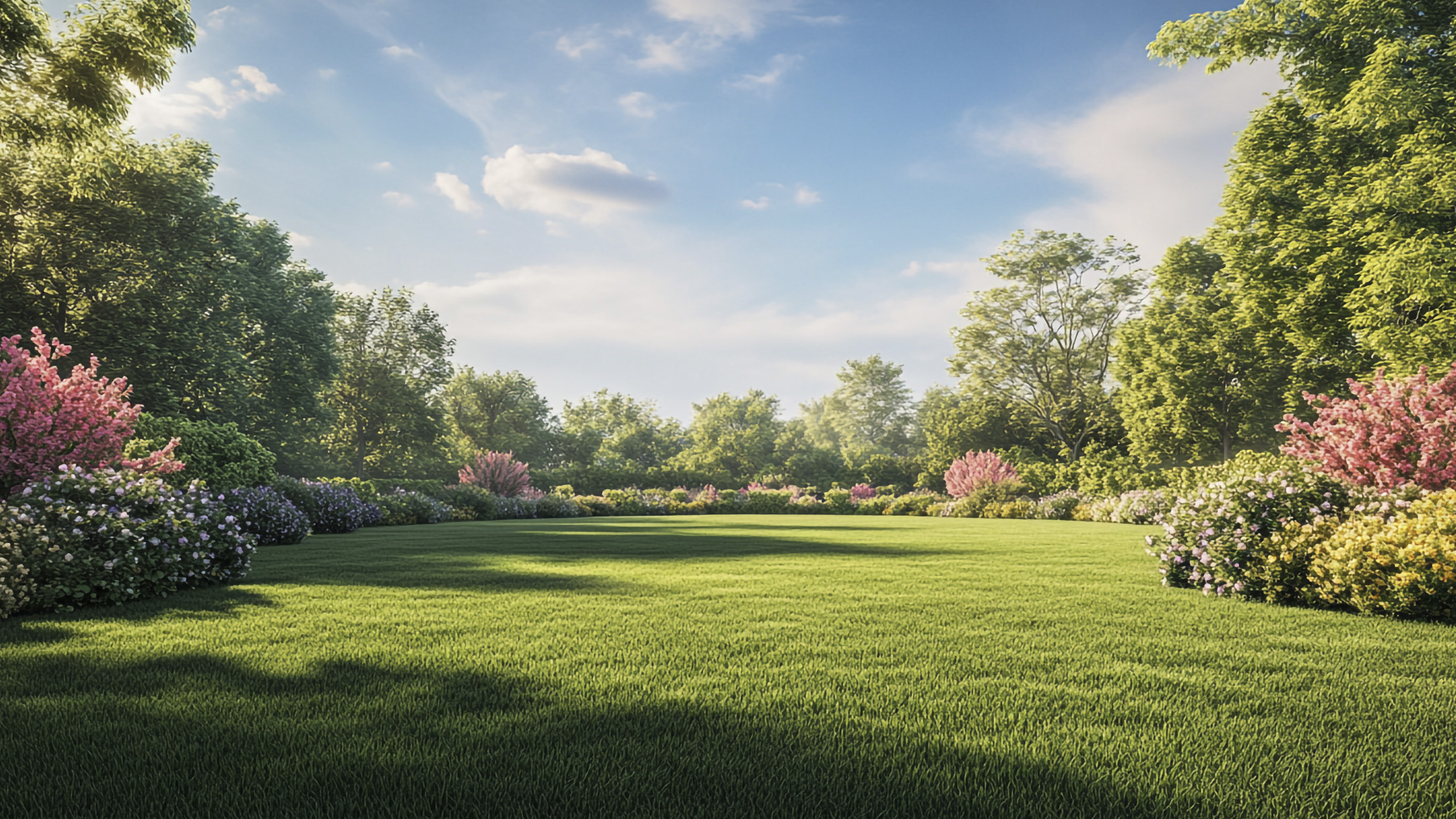
Summer Lawn Care in Milton, MA: How to Protect Your Grass from Heat Stress. Summers in Massachusetts bring beautiful, sunny days, but they also bring intense heat waves and stifling coastal humidity. Consequently, the pristine green yards we work so hard to cultivate throughout the spring often take a significant hit by late July. If you have been noticing dry patches, wilting blades, or fading colors across your property, you are certainly not alone. Proper summer lawn care Milton MA requires much more than just regular weekly mowing; it demands a proactive, informed approach to weather management. Therefore, understanding exactly how local climate conditions impact your soil is the very first step toward preserving your landscape investment.
Recognizing Heat Stress in Your Yard
Before taking any corrective action, it is crucial to understand what is actually happening to your turf biologically. Cool-season grasses, which dominate our region, naturally slow down their growth when temperatures consistently exceed 85 degrees. As a result, they may enter a state of dormancy to protect their delicate root systems. However, prolonged exposure to high temperatures without proper care leads to severe, sometimes irreversible, damage.
If you find yourself searching for brown grass solutions Massachusetts, the most important thing to determine is whether your turf is simply sleeping or actively dying from dehydration. For instance, if the blades of grass spring back up quickly after you step on them, the turf is likely just dormant and protecting itself. Conversely, if your footprints remain flat and visible for an extended period, moisture levels are critically low, and the plant is experiencing acute heat fatigue.
Key Strategies for Heat Stress Landscaping
Mitigating the impact of severe New England weather requires temporarily adjusting your standard maintenance routine. Ultimately, implementing targeted heat stress landscaping techniques will shield your soil and root systems from the harsh August sun.
Elevate Your Mowing Height
One of the most common mistakes homeowners make is cutting their grass too short during the hotter months. Instead of requesting a standard low cut, you should raise your mower blade to roughly three or three-and-a-half inches. Taller blades naturally cast shadows on the soil beneath them. Consequently, this built-in shade significantly reduces moisture evaporation and prevents invasive weed seeds from germinating in the bare spots. Furthermore, leaving fine grass clippings on the turf after mowing acts as a light, natural mulch that traps moisture in the ground.
Master Your Irrigation Schedule
Proper watering is an exact science, especially when navigating local municipal regulations. Always stay informed about the current lawn watering rules MA, as many towns, including Milton, frequently implement mandatory water bans or specific usage hours during summer dry spells. When you are permitted to irrigate, you should do it early in the morning—ideally between 4:00 AM and 8:00 AM.
Watering at night invites destructive fungal diseases due to our high local humidity, while midday watering is highly inefficient due to rapid evaporation. More importantly, you must water deeply and infrequently rather than providing a shallow, ten-minute sprinkle every single day. Deep watering encourages roots to grow further down into the soil, seeking out hidden moisture reserves that will sustain them during the hottest afternoons.
Pause Heavy Fertilization Applications
Another critical factor in managing summer turf involves knowing when to simply leave the soil alone. While it might seem logical to feed a struggling, fading yard, applying heavy synthetic fertilizers during a heat wave can be disastrous. Specifically, nitrogen forces the plant to push out new top growth. When temperatures are soaring, forcing this growth drains the plant’s already depleted energy reserves. As a result, this practice can chemically burn the foliage and severely damage the root structure.
Why Partnering with Professionals Makes a Difference
Managing property maintenance during the hottest weeks of the year can be incredibly time-consuming and frustrating. Sometimes, despite your absolute best efforts, the harsh weather simply overpowers standard residential care. When you start looking for summer landscape maintenance near me, you need a reliable team that understands the specific horticultural requirements of Norfolk County.
Here is exactly what professional oversight brings to your property during the summer:
- Targeted soil aeration to improve water penetration and reduce surface runoff during heavy summer thunderstorms.
- Precision moisture management that strictly complies with local municipal water restrictions.
- Expert disease identification, accurately separating simple heat fatigue from aggressive fungal infections like brown patch or dollar spot.
- Strategic, localized weed control that avoids further stressing the healthy turf with harsh chemicals during periods of high heat.
Maintaining a resilient outdoor space through the peak of summer requires vigilance, patience, and a deep understanding of local horticulture. Nevertheless, you do not have to tackle the intense New England heat on your own. If your yard is showing signs of severe stress, it is time to bring in professional support before permanent damage sets in. Contact Milton Green Landscaping today to schedule a comprehensive property assessment, and let us help you keep your landscape healthy, vibrant, and protected all season long.